A thoughtful landscape design connects your home to the surrounding natural beauty of the Central California Coast region. From addressing coastal winds and fog to designing sun-filled outdoor living areas further away from the coast, our team at PM Landscaping Services brings years of local expertise to every design project. You can’t just copy a design from a magazine and expect it to hold up here.
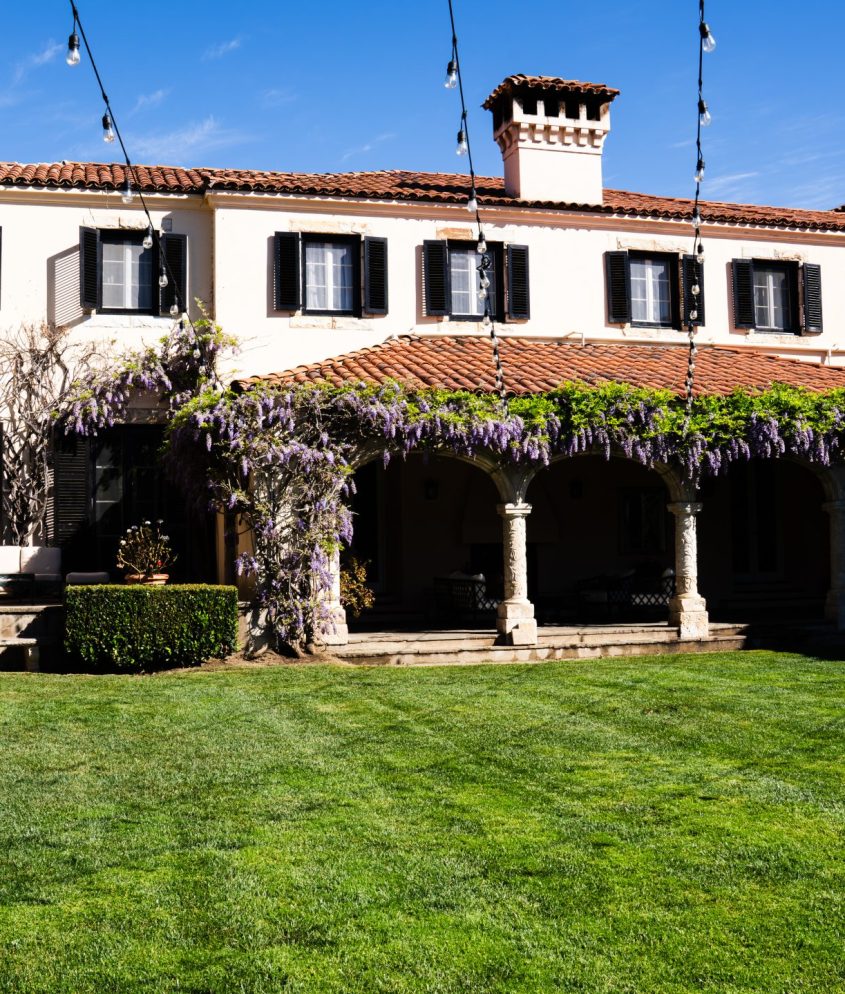
Our company works with homeowners across Monterey County and every property has its own unique microclimate. One garden might deal with frequent fog with little sunlight. A garden a few miles inland in Carmel Valley is often working with more sun and drier soil. The plant list that thrives in one spot can sulk and struggle in another.
Designed to Flourish on Your Property
Salt air, coastal wind, and our marine layer fog all shape what a garden can become here, and that’s part of what makes designing on the Peninsula so interesting. Elizabeth Duer, our landscape designer at PM Landscaping, treats every property as its own opportunity. Her job is to make your property both beautiful and functional. It’s about selecting the plants and materials that look their best while matching your property’s unique conditions. Every plant is carefully evaluated for its sun and shade requirements, soil, exposure, and on-site growing conditions. That’s why she prefers to walk your property in person before finalizing the design. Every property has its own unique microclimate, allowing us to thoughtfully select plants that will flourish and create a landscape that thrives for years to come.
The Design Styles Clients Keep Asking About
We hear a wide range of requests, but a handful of styles come up frequently.
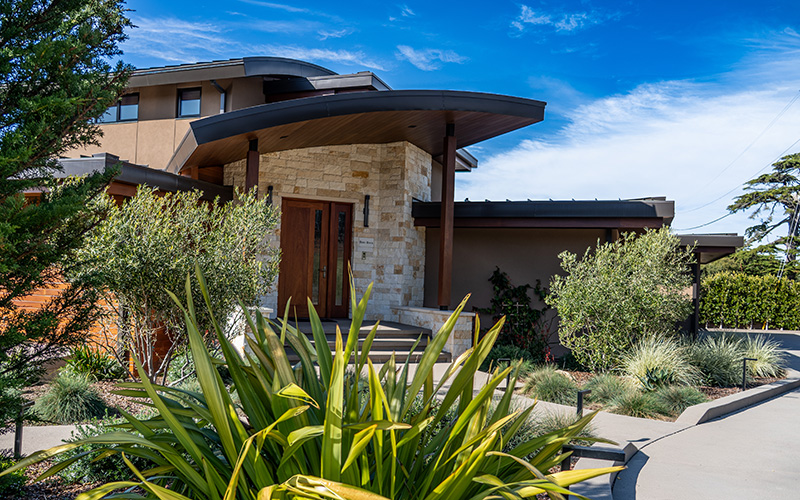
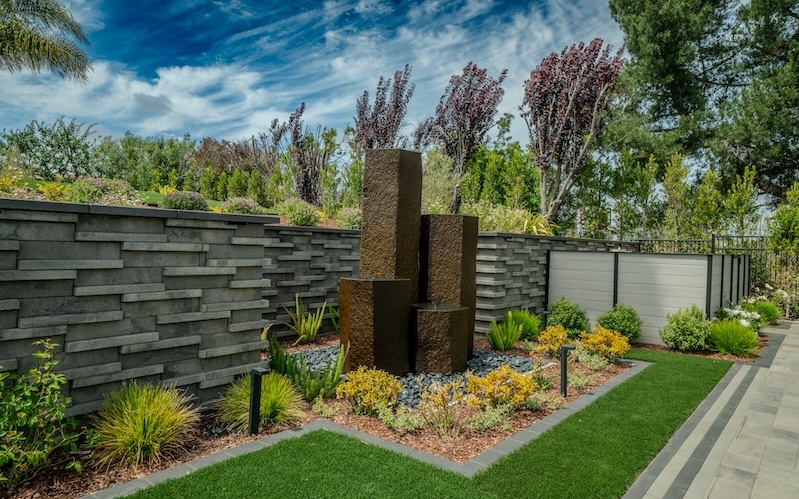
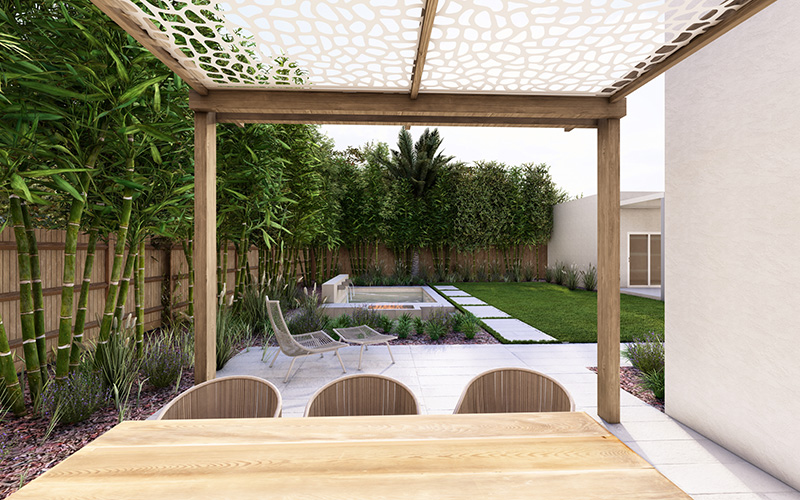
Modern gardens show up often with newer builds and remodels around the Peninsula. Clean lines and a restrained plant palette give these spaces a strong sense of structure, and the look pairs naturally with contemporary architecture.
Zen gardens draw clients who want somewhere quiet to retreat to at the end of the day. These designs often lean on natural stone, and careful placement, so nothing in the space feels accidental.
Herbal gardens appeal to clients who want their landscape to earn its keep in the kitchen. Rosemary, thyme, lavender, and sage all handle our coastal conditions well, and they bring fragrance and texture into a design.
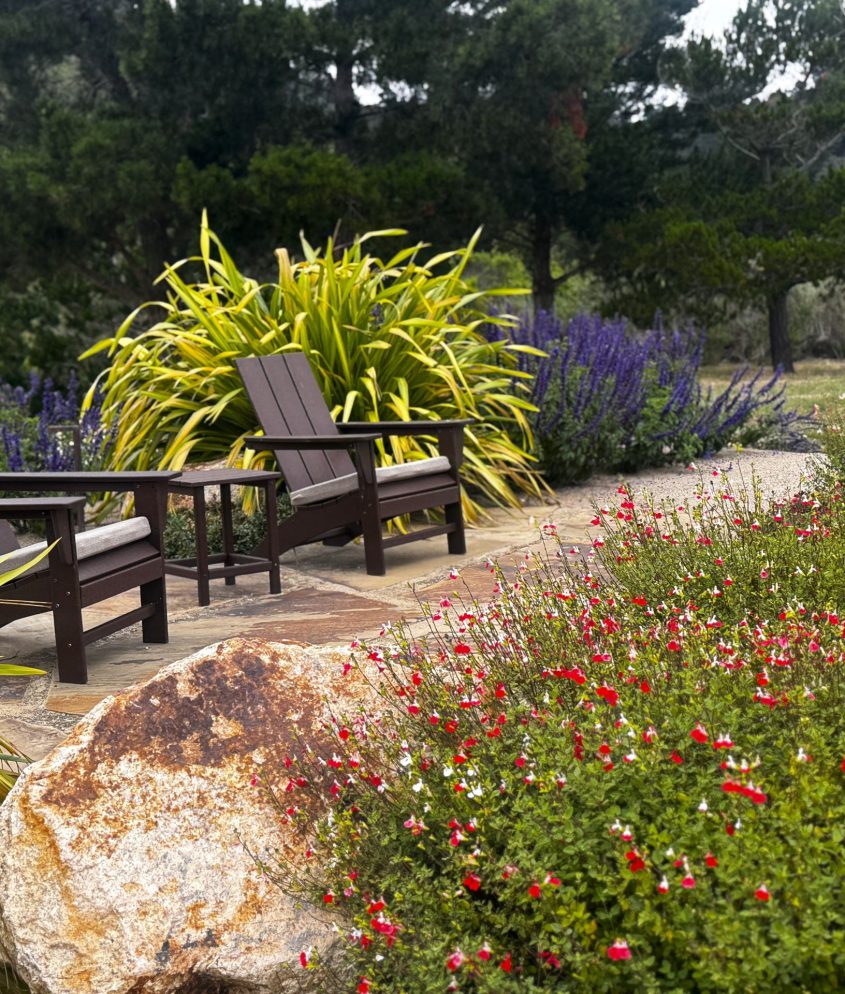
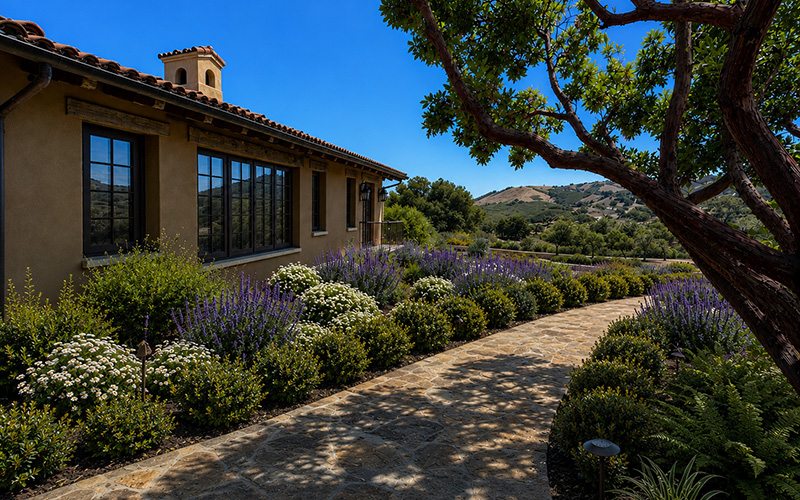
Mediterranean gardens make a lot of sense here, since our climate resembles the Mediterranean coast. Lavenders, and drought-tolerant grasses create a sun-washed feeling even on a foggy morning, and these plants are already built for wind and dry summers.
Native gardens have grown in popularity, particularly as homeowners start thinking about water use and long-term upkeep. California native plants handle dry summers and mild wet winters. Plenty of them shrug off the coastal exposure that would wear down an imported ornamental within a year or two. A native garden also tends to pull in more birds and beneficial insects, which leads right into another request we hear constantly.
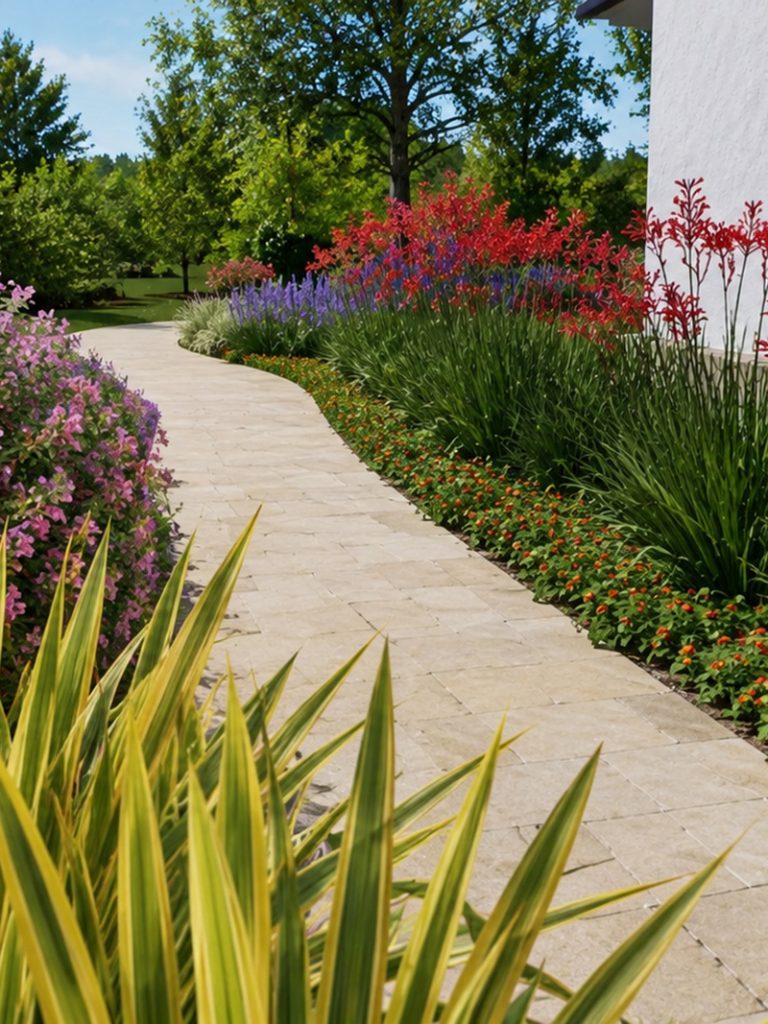
Butterfly, hummingbird, and pollinator gardens are probably the fastest-growing request from clients right now. Clients want color and movement in the yard, and they want to feel like their garden is giving something back to the local ecosystem. Plus, these gardens can be incorporated in several design styles.
A Garden Isn’t a Finished Product
A garden has a lifespan. It isn’t a piece of furniture you install once and expect to stay put forever. How long a design holds its best form depends on the site and design. A lush design might peak fast and then demand a lot more attention down the road. A native or Mediterranean garden built around tougher, well-adapted plants tends to settle in and keep getting better for years, with a lot less maintenance.
This is a big reason the on-site consultation matters so much. A plan can look perfect on paper and fall apart once it meets your property.
Getting the Most Out of Your Design Consultation
As you think about how you want your garden to look and feel, start gathering photos. Save images of gardens you love. Photos give a much clearer read on your taste than words alone and they help the conversation move faster once you sit down with us to begin the landscape design process and to describe your perfect outdoor space. A folder of screenshots or a handful of pictures on your phone works fine.
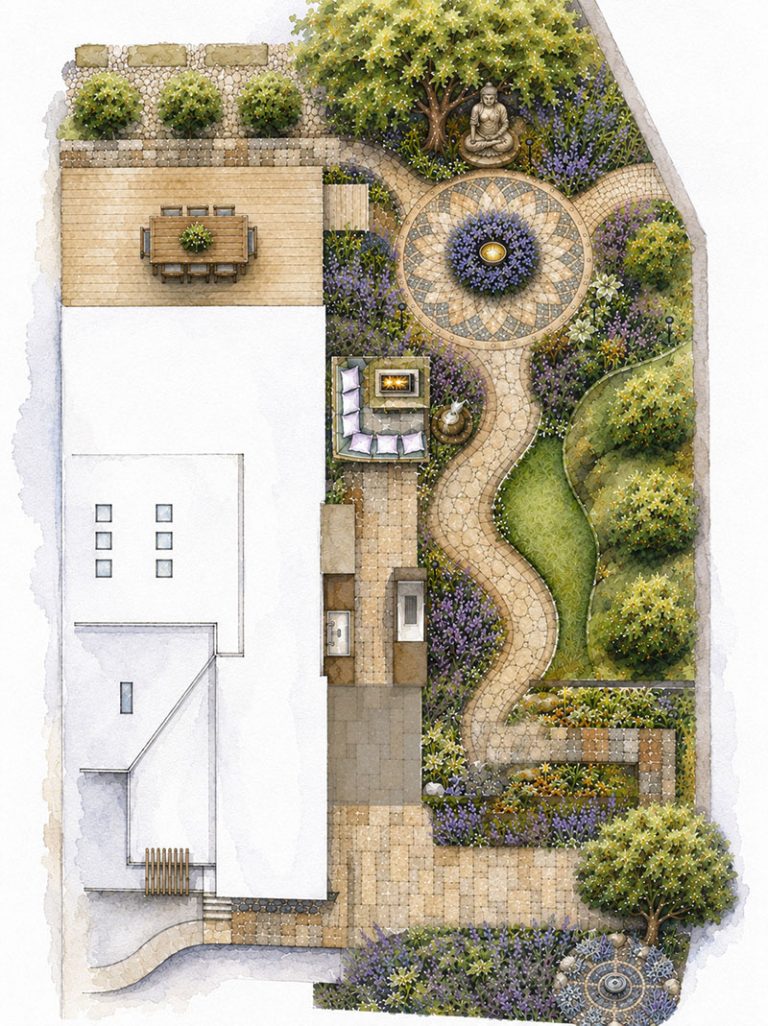
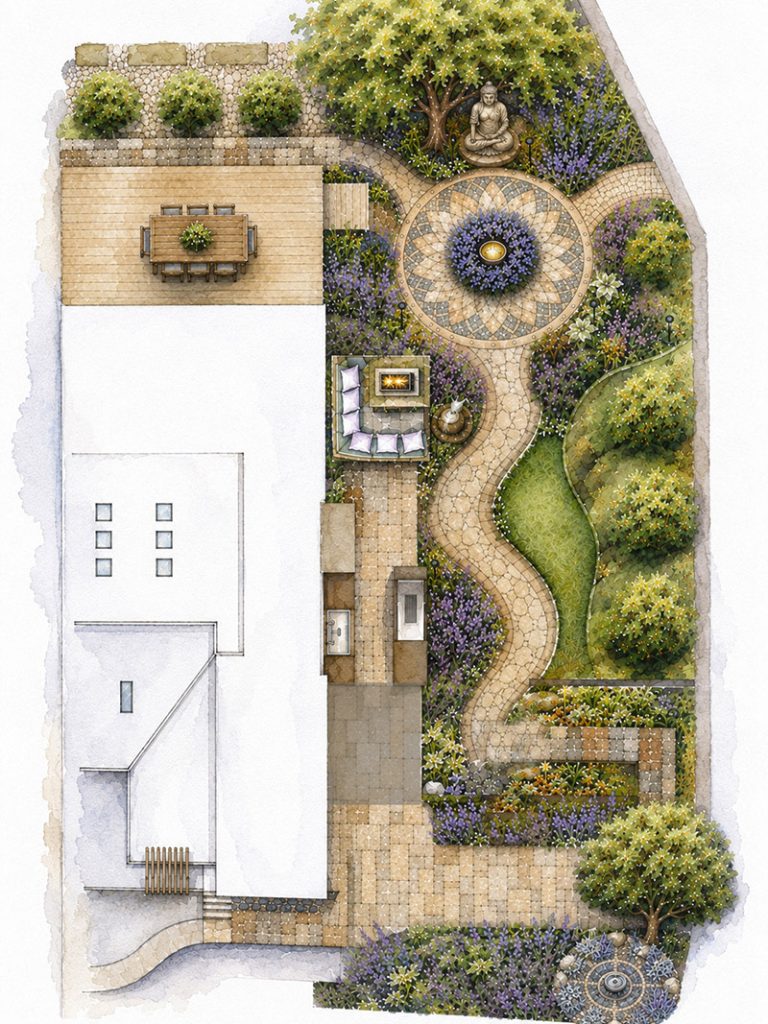
From there, our team will walk your property and talk through your goals and budget, then start shaping a design around what your space needs. With a 3D walkthrough you can preview the space before anything goes in the ground and you’ll get a chance to review the plan and ask for changes.
Elizabeth likes to remind clients that good design takes a little patience, and that patience pays off later. As she puts it, “There is always time for design.” Rushing a plan just to get plants in the ground usually means fighting the site for years afterward instead of working with it from the start. Taking time upfront to understand your property and the realities of our coastal climate is what separates a garden that holds up from one that fizzles out after a season or two.
Our consultation and landscape design plans offer something more personal than a checklist of plants and site conditions. It draws on the same instincts that shape any visual art: form, color, texture, movement, and balance. “This is art,” Elizabeth says, and you can see it in how our company treats each property, always matching the design to the land it will live on.
Taking the time to design with intention creates a space you’ll love living in for years to come. Ready to start planning your outdoor transformation? Reach out to PM Landscaping today to schedule your design consultation.