
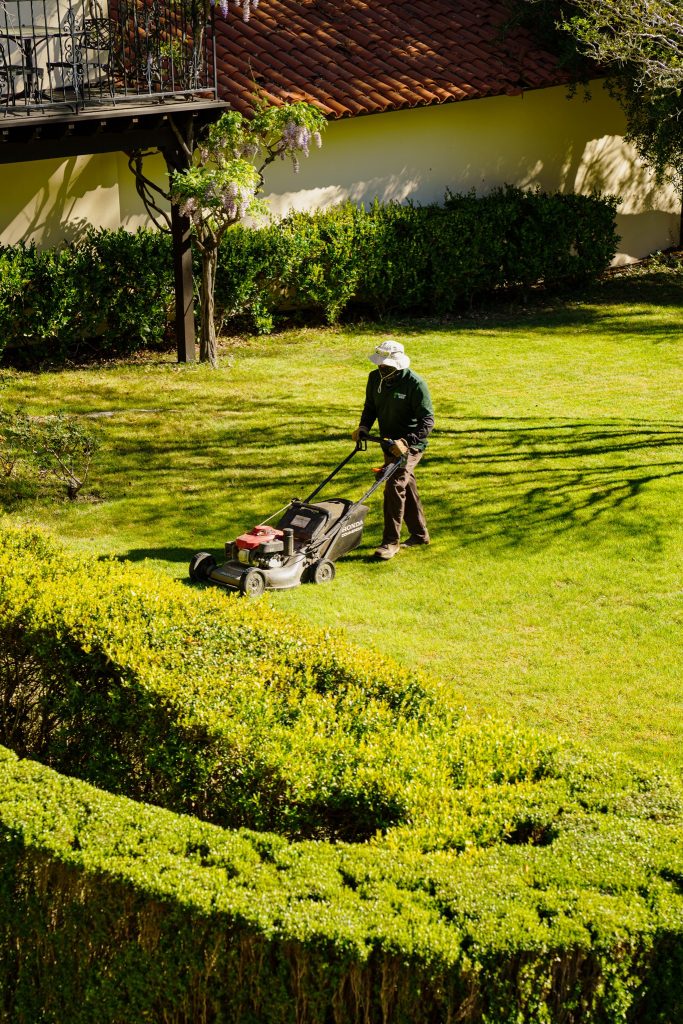
Fertilizing a landscape in Monterey County is not a one size fits all task. Between the coastal influence, sandy and clay-heavy soils, and the wide variety of plant material found in local properties, proper fertilization requires both strategy and understanding. Whether you are maintaining a lush lawn in Carmel Valley, colorful flower beds in Pacific Grove, or established shrubs along the coast of Carmel-by-Sea, the right nutrients at the right time make all the difference.
What is Fertilizer Actually Doing for my Plants?
At its core, fertilization is about feeding your plants what the soil cannot consistently provide. Plants rely on essential nutrients like nitrogen (N), phosphorus (P), and potassium (K), along with secondary nutrients and micronutrients such as calcium, magnesium, iron, and zinc. Each plays a specific role in plant health and growth. Nitrogen supports leafy growth and rich green color, phosphorus aids in root development and flowering, and potassium strengthens overall plant resilience, helping plants withstand stress from drought, pests, and temperature swings.
The Science of Smart Fertilizing

A huge factor in fertilizing properly is the soil. Rob de Bree, PM Landscaping Services’ Maintenance Division Head, said, “I’ve seen it a lot where people buy soil that is pre-fertilized, and then apply extra fertilizer in which case the plant receives too much and gets burned. A lot of companies want you to believe a plant will die without fertilizer, but that’s not the case. Plants are highly adaptable to their environments. It’s not a simple application process, but you need the right time, amount and product. The key is moderation and balance.”
In Monterey County, soil conditions often limit the availability of these nutrients. Sandy soils don’t hold nutrients well. Coastal soils can be sandy and fast-draining, which means nutrients leach out quickly before plants can fully absorb them. In other areas, heavier clay soils may hold nutrients but make them less accessible to plant roots due to compaction, pH, and poor drainage. This variability is why a tailored fertilization approach is so important.
Over-fertilizing can lead to excessive growth that is difficult to maintain and more vulnerable to pests. ‘Burning’ plants can also happen from applying fertilizers at the wrong time or the wrong strength. “Too many people become enthusiastic and over-apply synthetic fertilizer. The result is that they burn their plants. It happens more frequently with synthetic fertilizers than with organic fertilizers.”, Rob de Bree said when asked about the #1 mistake people make when applying fertilizer.
Over-fertilizing can also contribute to runoff, which is a significant concern in environmentally sensitive areas like Monterey County. Under-fertilizing, or skipping fertilization altogether, leaves plants struggling to get what they need. This often shows up as yellowing leaves, poor growth, weak root systems, disease susceptibility, and reduced flowering.
Fertilizer Isn’t One Size Fits All
Applying the wrong fertilizer, or even the right one at the wrong time, can create problems rather than solve them. Different types of plants also have very different nutritional needs. Lawns, for example, require a steady supply of nitrogen to maintain density and color. Without it, grass can quickly turn pale, thin out, and become more susceptible to weeds and disease. Flowering plants, on the other hand, benefit from fertilizers higher in phosphorus to encourage vibrant blooms and strong root systems. Ornamental plants, such as shrubs, annuals and perennials, often need a more balanced nutrient profile to support steady growth without becoming overly lush or weak.

Proper Watering Builds Stronger Roots
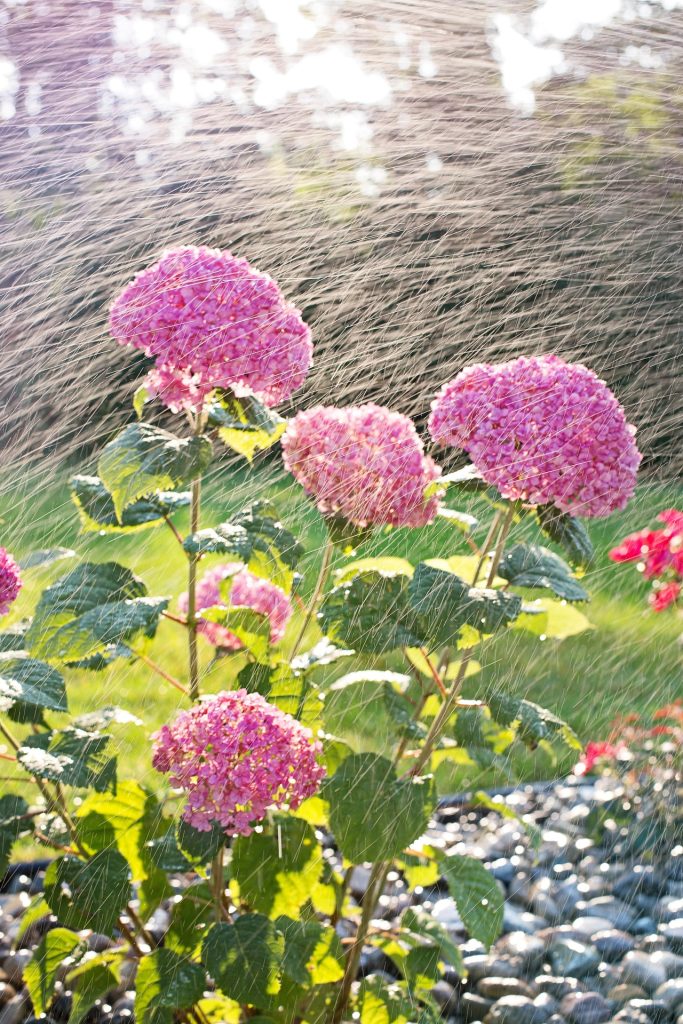
The science behind fertilization also involves how nutrients move through the soil and into the plant. Roots absorb nutrients in dissolved form, which means proper irrigation and soil health are closely tied to fertilization success. Soil biology plays a role as well. Beneficial microbes hold the nutrients, help break down organic matter, and then convert those nutrients into forms plants can use. When soil lacks organic content or microbial activity, even applied fertilizers may not be fully effective.
This is one of the key reasons we prioritize organic fertilization products. Organic fertilizers work with the soil ecosystem rather than against it. Instead of delivering a quick, synthetic burst of nutrients, they release nutrients more slowly and steadily as they break down. This reduces the risk of runoff and leaching while improving soil structure and microbial health over time. Healthier soil leads to stronger root systems, which ultimately means more resilient plants.
Organic products are especially well-suited for Monterey County landscapes, where environmental stewardship is important and water conservation is always top of mind. By improving soil’s ability to retain moisture and nutrients, organic fertilization can also support more efficient irrigation practices, helping reduce overall water usage.
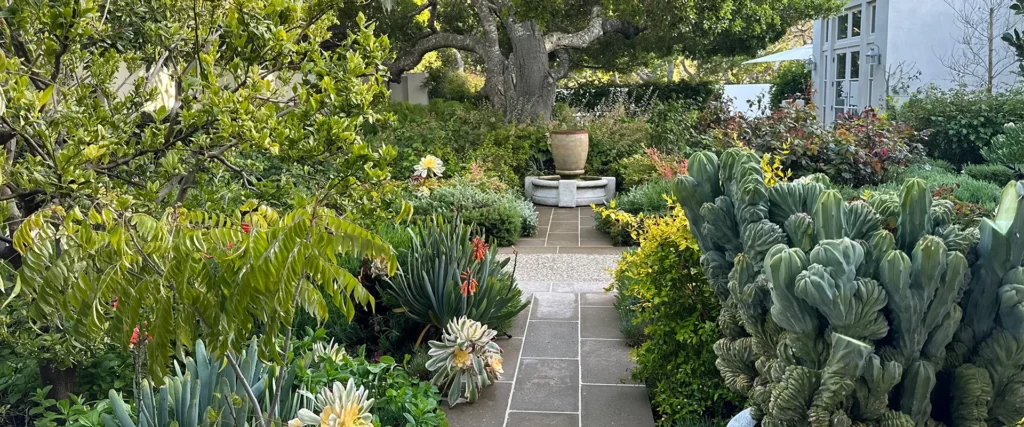
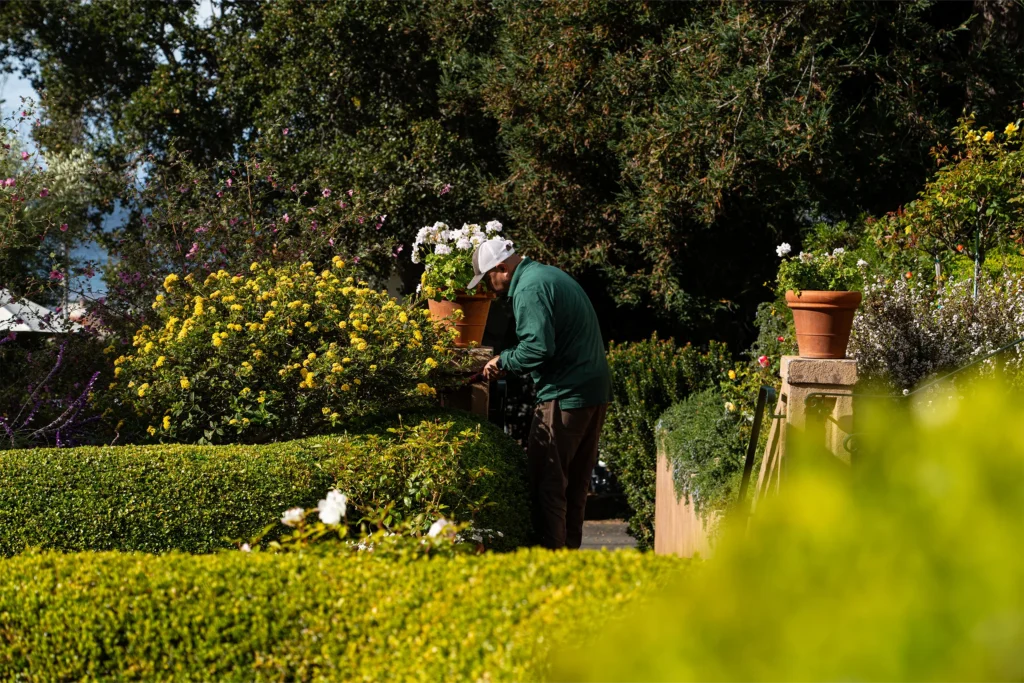
Of course, knowing what to apply, when to apply it, and how much to use is where expertise comes in. A proper fertilization program considers seasonal timing, plant type, soil conditions, and overall landscape goals. Lawns may require multiple applications throughout the growing season, while shrubs and trees might benefit from slower, less frequent feedings. Flower beds often need targeted support during bloom cycles.
For property managers and owners, keeping up with these details can be time-consuming and easy to get wrong. That is where our team comes in. We take a comprehensive approach to fertilization, evaluating each landscape individually and building a program that supports long-term health rather than short-term appearance. By using high-quality organic fertilizers and applying them strategically, we help ensure your lawn stays green, your flowers stay vibrant, and your shrubs remain strong.
Fertilization is not just about making a landscape look good today. It is about building a foundation for sustainable, healthy growth over time. With the right approach, your landscape can thrive in Monterey County’s unique conditions while using resources responsibly and efficiently.