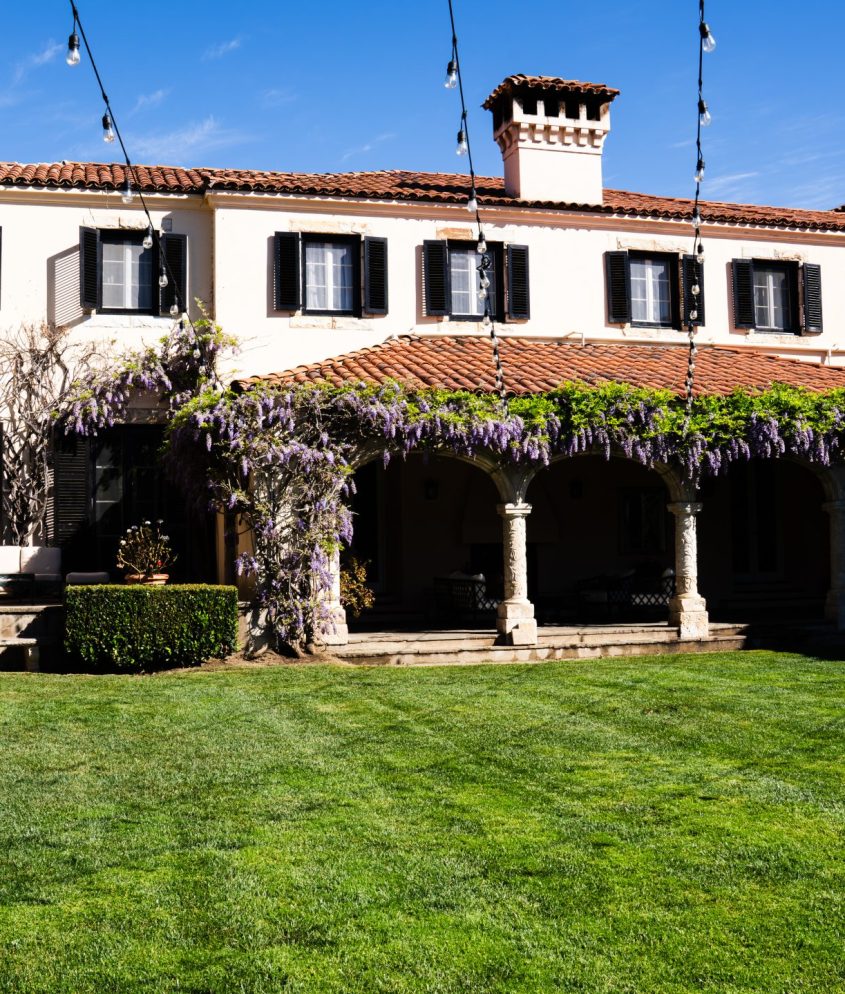

Every spring, landscapes across Monterey County seem to come alive overnight. Lawns are lush and green, flowers are blooming, and shrubs are putting on fresh growth. Yet by mid-summer, many homeowners find themselves wondering what happened. Plants begin to look stressed, lawns develop brown patches, and once-vibrant Monterey landscapes start losing their appeal.
The truth is that spring and summer place very different demands on your landscape. A yard that looks beautiful in March and April may struggle in July and August if it isn’t properly prepared. Understanding the factors that influence plant health during the warmer months can help protect your investment and keep your Monterey landscape thriving all season long.
1. Water Management: The Foundation of Monterey Summer Success
One of the biggest reasons landscapes struggle during summer is improper water management.
During spring, Monterey County often benefits from cooler temperatures, morning fog, and occasional rainfall. These conditions naturally reduce stress on plants and help keep soil moisture levels more consistent. As temperatures rise and rainfall disappears, your irrigation system becomes the primary source of water for your landscape.
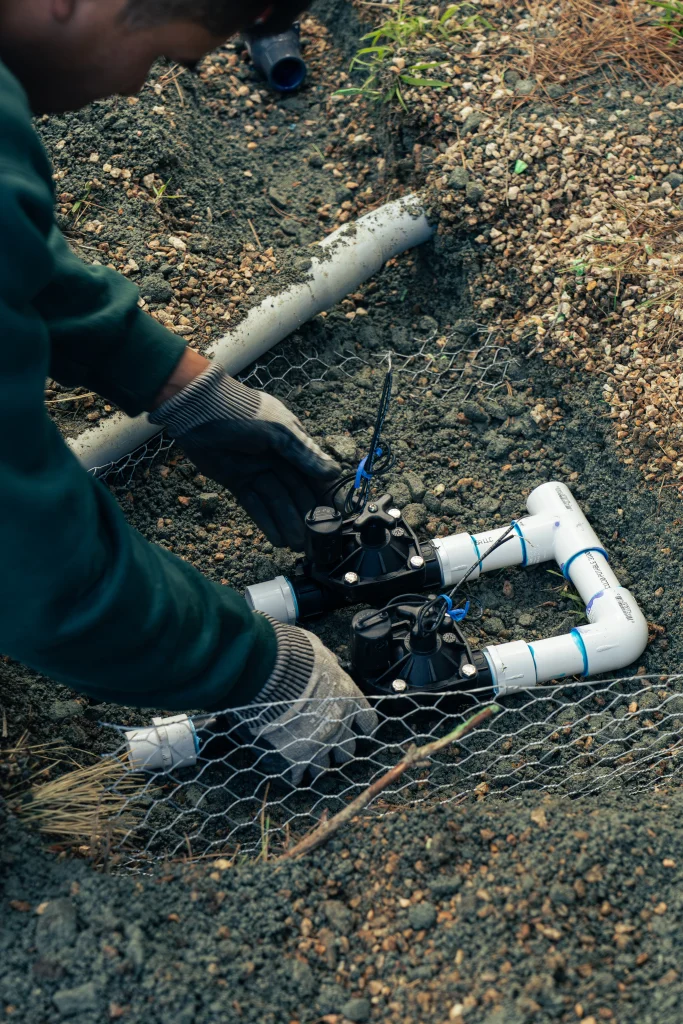
Unfortunately, many irrigation systems are not optimized for summer conditions. Broken sprinkler heads, clogged drip emitters, poor coverage, and outdated watering schedules can all lead to problems.
Overwatering can be just as damaging as underwatering. Excess moisture can encourage disease, weaken root systems, and waste significant amounts of water. Underwatering, on the other hand, causes plants to become stressed and more susceptible to pests and disease.
A professional irrigation inspection can identify issues before they become costly problems. Seasonal adjustments to watering schedules ensure your plants receive the right amount of water based on changing temperatures and weather conditions.
2. Healthy Soil Creates Healthy Plants in Monterey Landscapes
Many Monterey landscape problems that appear during summer actually begin below the surface.
Healthy soil acts like a reservoir, storing water and nutrients that plants need to thrive. Poor soil conditions can prevent roots from accessing these resources, even when irrigation is functioning properly.
Compacted soil is a common issue in both residential and commercial Monterey landscapes. When soil becomes compacted, water has difficulty penetrating the root zone, and oxygen circulation is reduced. This limits root growth and can cause plants to struggle during periods of heat.
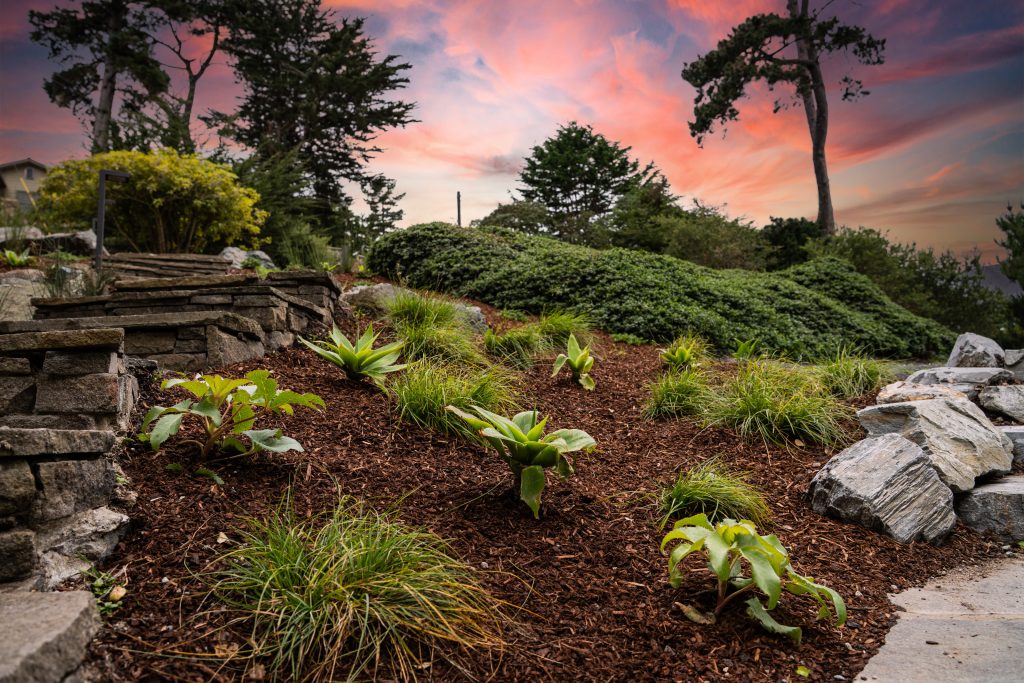
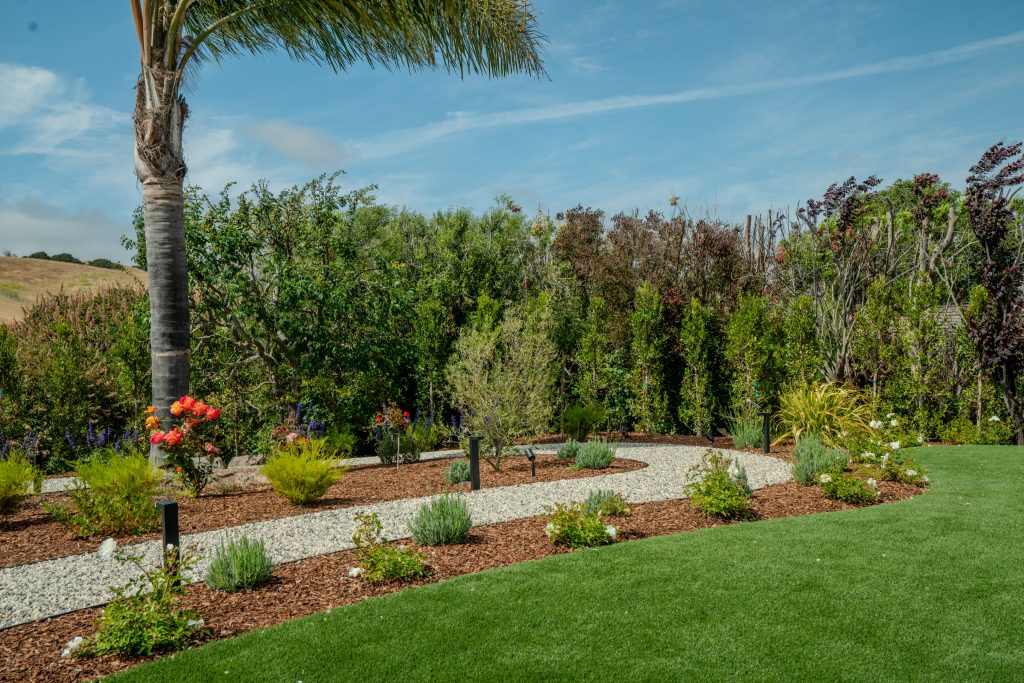
Organic matter plays an important role in soil health as well. Compost and mulch help improve soil structure, retain moisture, and regulate soil temperature. A layer of mulch can significantly reduce evaporation during hot summer days while also suppressing weeds that compete with plants for water and nutrients.
Investing in soil health creates stronger root systems, which ultimately helps plants withstand summer stress more effectively.
3. Fertilization Timing Matters
Many Monterey County homeowners assume that fertilization is a one-time spring task. While spring fertilization is important, an effective fertilization program considers the needs of plants throughout the growing season.
Plants use nutrients differently depending on the time of year. Spring growth often requires nutrients that support new leaves and shoots, while summer brings different demands as plants focus on maintaining health during periods of heat and environmental stress.
Applying the wrong fertilizer—or applying it at the wrong time—can create problems. Excessive nitrogen during hot weather may encourage tender new growth that is more vulnerable to heat stress and disease. Conversely, nutrient deficiencies can weaken plants and reduce their ability to tolerate summer conditions.
A customized fertilization schedule based on your specific landscape can help ensure plants receive the nutrients they need when they need them. Regular soil testing can also provide valuable insight into nutrient levels and help avoid unnecessary fertilizer applications.
4. Plant Selection Makes a Difference
Not all plants are suited for Monterey County’s unique climate.
One of the most common mistakes we see is the installation of plants that require more water and maintenance than the local environment can naturally support. These plants may perform well initially but often struggle once summer temperatures increase and water restrictions become a consideration.
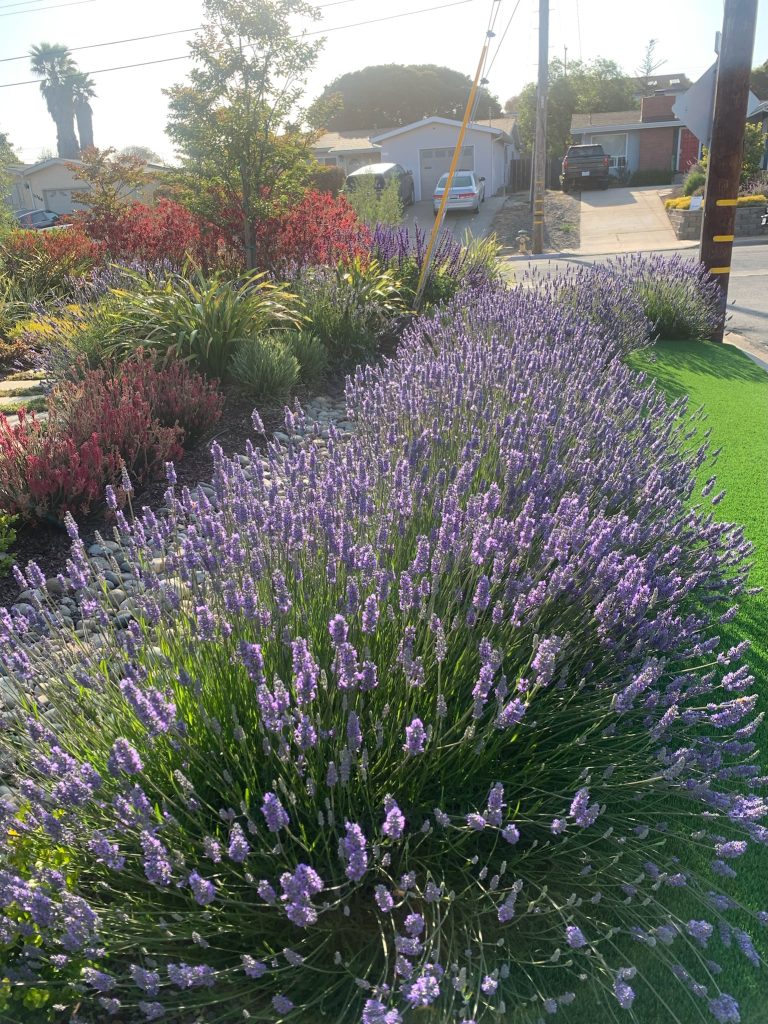
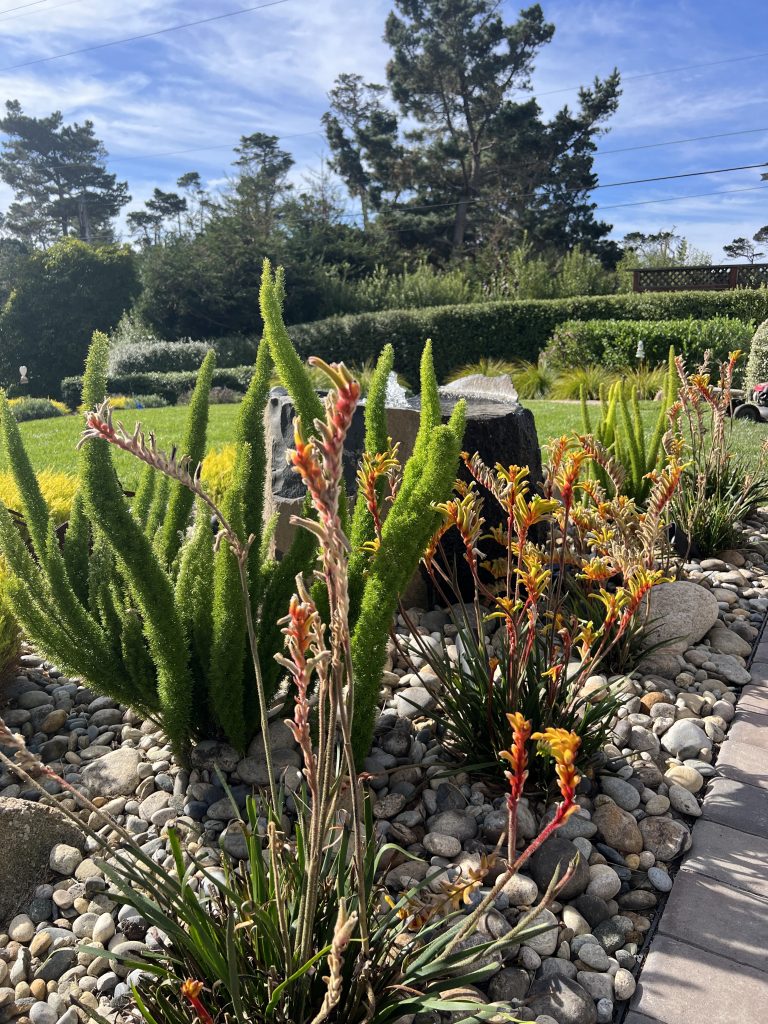
Choosing climate-appropriate and drought-tolerant plants can dramatically improve the long-term success of a landscape. Native and Mediterranean plants are often excellent choices because they are adapted to local conditions and generally require less water once established.
Proper plant placement is equally important. Plants that prefer shade may struggle when exposed to full afternoon sun, while sun-loving species may become weak and sparse if planted in overly shaded areas.
When selecting plants, it’s important to think beyond appearance and consider long-term performance, water requirements, maintenance needs, and overall suitability for your Monterey Landscape.
Keep Your Monterey Landscape Thriving All Summer Long
A beautiful spring landscape doesn’t guarantee a successful summer landscape. Proper water management, healthy soil, strategic fertilization, and thoughtful plant selection all work together to create an outdoor environment that remains healthy and attractive throughout the year.
If your Monterey landscape consistently looks great in spring but struggles once summer arrives, the issue may not be the weather—it may be an opportunity to improve the systems and practices supporting your landscape.
With the right approach, your outdoor space can remain vibrant, healthy, and enjoyable long after spring blooms have faded.
Ultimately, the difference between a Monterey landscape that thrives through summer and one that struggles often comes down to having the right plan—and the right team behind it.
A full-service landscaping company doesn’t just mow lawns or trim hedges; they proactively monitor your irrigation system, adjust watering schedules as conditions change, apply the proper fertilizers at the right times, and prune plants correctly to promote healthy growth.
These details may seem small, but together they have a significant impact on the long-term health and appearance of your landscape in Monterey.
Partnering with a professional also eliminates the guesswork and stress of trying to manage these tasks yourself.
Instead of wondering whether you’re watering too much, fertilizing at the wrong time, or choosing the right plants for your property, you have experienced professionals providing recommendations tailored to your specific landscape goals, soil conditions, and budget. The result is a healthier, more resilient landscape that not only looks beautiful in spring but continues to perform throughout the summer and beyond.
Call today and our experienced landscape team will conduct a free consultation of your property!